Carry the Heights the Old-Fashioned Way
Packing Philosophy From Another Era
Selecting the Backbone: Pack and Frame
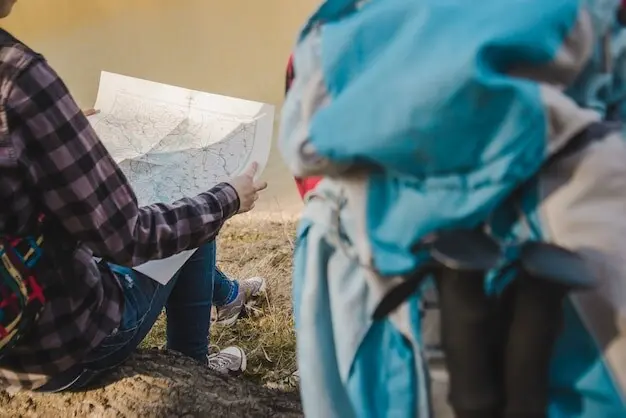
Choose a waxed-canvas rucksack or a classic external-frame pack with wide, stable load lifters and a supportive hip belt. Favor simple, field-serviceable buckles over brittle plastics. Lash points for rope, helmet, and crampons matter more than hidden pockets you will forget exist. Practice loading: heavy items near the spine, sleeping system low, essentials accessible. Condition leather straps, tape hotspots, and carry spare rivets or heavy thread so repairs happen before discomfort becomes danger.
Layering That Works Wet and Dry
Wool next to skin manages sweat gracefully, even when the forecast plays tricks. Add a Ventile or gabardine wind shirt that breathes during step-kicking, then a hooded pile or lofty down for static warmth in camp. Classic knickerbockers, tall socks, and sturdy gaiters keep movement free while sealing spindrift. Avoid fragile coatings; choose fabrics you can brush, re-wax, and trust near sparks. Simplicity means fewer failure modes, quicker transitions, and energy saved when judgment matters most.
The Trusty Small Items Pouch
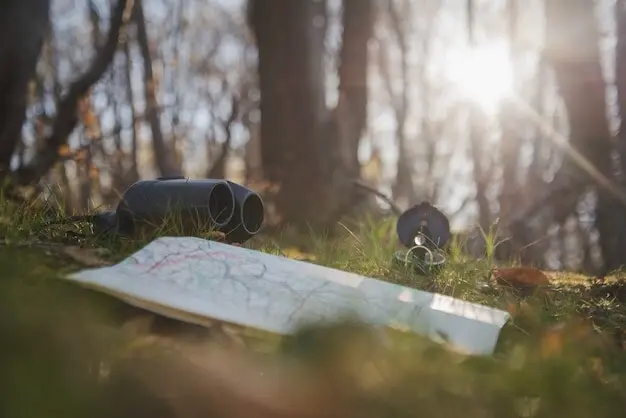
Gather analog essentials in a bright, waterproof pouch: whistle, signal mirror, notebook, pencil, repair needles, waxed thread, spare laces, a few meters of accessory cord, and safety pins. Add a mechanical watch, compact clinometer, and compact magnifier for snow crystals or splinters. Keep a candle stub, storm matches, and tinder for emergencies. Each piece has a clear reason to exist, earns its place by fixing problems quickly, and remains operable despite cold, gloves, and fatigue.
Shelter and Sleep: Wool, Down, and Canvas Done Right
Bivy, Tarp, or Tent: Choosing a Home Above Treeline
A tightly woven cotton fly or waxed-canvas tarp can shed driven snow when pitched low and true, though weight penalties require honest assessment of fitness and route length. A small, storm-worthy tent offers psychological safety during long nights and complex weather. Carry a stout cord ridgeline, extra guylines, and real stakes that bite crust. Practice snow anchors with buried axes or stuff sacks. Your shelter should pitch securely with numb hands and minimal decisions.
Sleeping System That Resists Moisture Creep
Combat condensation with a disciplined routine: shake frost at dawn, vent during dinner, and protect loft with a vapor barrier liner when conditions demand. Combine a resilient closed-cell pad with a second thin pad for redundancy. Pair a high-loft down bag for cold, drier objectives with a wool blanket or pile liner for storm cycles. Sleep socks, a balaclava, and a hot water bottle lift morale. Dry tomorrow’s socks against your torso, not inside sensitive insulation.
Staying Dry When Storms Stall
Moisture is patient; you must be more so. Pitch on micro-high points where meltwater won’t pool. Use a groundsheet and mindful drip lines. Ventilate even in heavy snowfall to manage frost. Rotate wet layers under your shell, then air them as soon as sun flirts with the ridge. Re-wax canvas during breaks, mend small tears immediately, and store sleeping gear inside a reliable liner. When storms stall progress, warmth, dryness, and routine keep judgment crisp.
Footwear, Traction, and Tools Without Wires

Navigation and Timekeeping the Old-School Way

Food, Fuel, and Fire for Slow Alpine Days

Safety, Redundancy, and Risk Management Without Gadgets
01
Communication and Signaling the Simple Way
Establish whistle signals for stop, go, and help, then rehearse them in wind. A polished mirror reaches far, especially with deliberate sweeps and a taught aiming technique. Carry a bright panel for air recognition and an old-school route card for wardens or friends. Leave cairn notes at key junctions when appropriate. Pick rendezvous times with generous buffers. Low-tech communication works when everyone knows the plan and habits are strong enough to survive stress.
02
First Aid That Actually Gets Used
Build a kit around likely problems: blisters, sprains, small lacerations, headache, and mild altitude discomfort. Include tape that sticks to skin in cold, a compressive wrap, sterile strips, a triangular bandage, pain relief, and a tiny splinter kit. Add a few safety pins and a space blanket. Beyond contents, practice. Rehearse taping ankles, fashioning slings, and recognizing early hypothermia. Keep notes on incidents to sharpen judgment. The best kit is competence, carried in your hands.
03
Route Choice, Avalanche Clues, and Turning Back Proudly
Without electronic transceivers, terrain decisions must be gentler by default. Read wind lips, cracking, and whumphs as loud warnings. Measure slope angles with a simple clinometer and favor features that limit exposure. Spread out on suspect sections, pre-rig hand lines where appropriate, and assign a skeptic to challenge momentum. Establish turnaround times you cannot bargain with. Pride lives in the parking lot after cocoa, not on a corniced ridge at dusk.
All Rights Reserved.